
Window condensation: causes and solutions
Condensation forms when a surface is cold enough for water vapour in the air to become liquid. Indoors, it often reflects a combination of high humidity, low surface temperature and insufficient air exchange. Outside condensation can be temporary. Moisture between panes may indicate failure of the insulating-glass seal.
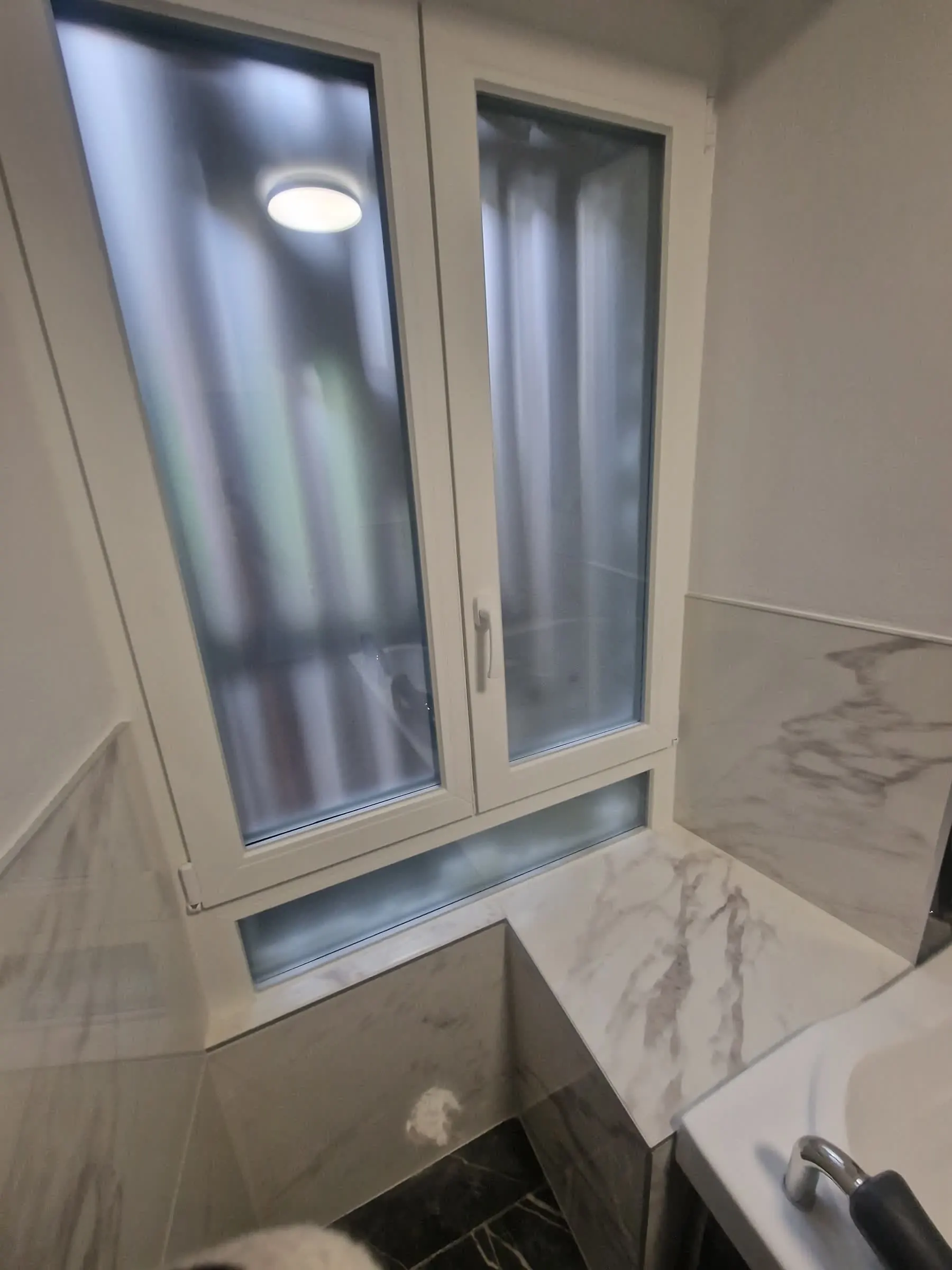
Where is the condensation?
Location guides the first diagnosis. Wipe the surface and observe whether water returns indoors, outdoors or inside the sealed glazing cavity.
| Location | Likely cause | Response |
|---|---|---|
| Inside face | High humidity or cold surface | Ventilate, heat appropriately, investigate thermal bridges |
| Outside face | Night cooling of an insulating pane | Observe; often temporary |
| Between panes | Possible insulating-glass failure | Have the glazing checked |
Humidity, temperature and ventilation
Measure relative humidity and room temperature together rather than judging the pane alone. The suitable range varies with the home, occupancy, weather and insulation. Replacement windows often make the envelope more airtight, so air renewal must be considered.
Immediate actions
Remove moisture from bathrooms and kitchens promptly, open windows fully for short periods rather than leaving them tilted, and avoid excessive room cooling.
- Measure humidity and temperature
- Check kitchen and bathroom extraction
- Ventilate briefly and effectively
- Maintain suitable temperatures
- Investigate mould or persistent wetness
When to request an inspection
Seek professional diagnosis if water appears daily despite suitable ventilation, mould develops, moisture sits between panes or reveals and joints remain wet. Occupancy, glazing, junctions, thermal bridges or water ingress require different remedies.
Related guidance
Need personalised advice?
BO Fenster answers all your technical questions and prepares a free quote for you within 24h.
Request a free quoteFrequently asked questions
Quick answers
Why do new windows condense?
New windows often reduce uncontrolled air leakage. Without suitable air renewal, indoor humidity can rise and condense on the coldest surfaces.
Is outside condensation a defect?
Not necessarily. It can occur temporarily when the outer pane cools strongly overnight.
What does fog between panes mean?
It may indicate failure of the insulating-glass seal and should be inspected.
Does the window need replacing?
Not before the cause is identified. Ventilation, temperature, thermal bridges, installation and glazing require different responses.